
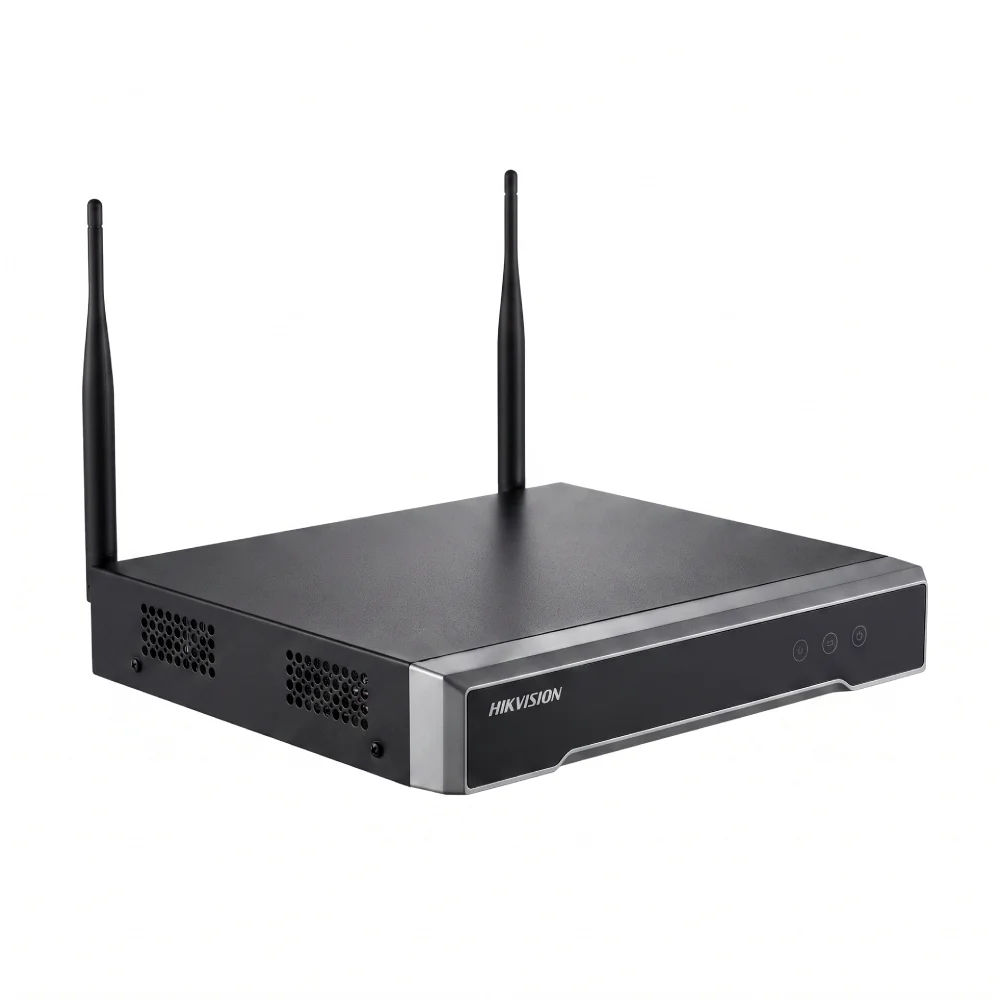
When installing a new CCTV security system in Lahore, one of the most important decisions you will make is choosing between a DVR (Digital Video Recorder) and an NVR (Network Video Recorder). While both systems are designed to store video footage, they use entirely different technologies, cameras, and wiring methods. Understanding these differences is crucial for picking a setup that fits your budget, property size, and security needs. With the rising demand for reliable home and business surveillance across Pakistan, navigating all the technical jargon can sometimes feel overwhelming. Many customers reach out to us unsure of which technology will perform best during local power fluctuations or load shedding. Others are simply looking for the most cost-effective way to monitor their shop fronts, driveways, and main gates. Whether you are upgrading an older analog system in an existing building or wiring a brand-new commercial plaza from scratch, the recorder you select will act as the brain of your entire network. Making the right choice now prevents difficult installations, incompatible cameras, and unnecessary expenses down the road.
Here is a detailed guide by AK CCTV to help you decide which system is the perfect fit for your home or business.
What is a DVR System?
A Digital Video Recorder (DVR) is a traditional, highly cost-effective surveillance solution.
DVRs are designed exclusively to work with analog security cameras. In this setup, the analog camera simply captures raw video and sends it straight to the recorder through a coaxial cable (often with BNC connectors). The DVR itself contains the computer chip that processes the footage, converts the analog signal into a digital format, and stores it on a local hard drive.
Pros of a DVR System
Budget-Friendly: Because they use older analog technology, DVR systems and their compatible cameras are generally much cheaper to buy. If you are on a tight budget, this is the most affordable way to get 24/7 coverage.
Stable Signal: Because the video travels through a dedicated coaxial cable, you get a stable, lag-free video signal without relying on internet bandwidth or network speeds.
Low Cybersecurity Risk: Since the cameras themselves do not use IP (internet protocols) to transmit the local video feed to the recorder, they face far fewer cybersecurity threats compared to networked cameras.
Easy Upgrades for Older Homes: If your house or shop already has old CCTV wires inside the walls, you can easily plug new high-definition analog cameras into a new DVR without running new wires.
Cons of a DVR System
Difficult Installation: DVRs use coaxial cables, which are thicker and stiffer than standard network cables. This makes pulling wires through the brick walls and narrow conduit pipes common in Pakistani homes quite challenging.
Separate Power Needed: A coaxial cable does not provide electricity. Every analog camera requires a separate power cable and a nearby power supply box to function, meaning double the wiring.
Audio Limits: Standard coaxial cables often do not transmit sound. To record audio, you typically need to buy cameras with built-in mics that support “audio over coax” or run an extra RCA cable.
What is an NVR System?
A Network Video Recorder (NVR) is a more modern, advanced security system.
NVRs work with IP (Internet Protocol) cameras rather than analog ones. The biggest technical difference is how the video is processed. In an NVR setup, the IP camera has its own built-in computer processor. The camera encodes and processes the video before sending it over the network to the NVR. The NVR then simply stores the digital data and allows for remote viewing on your smartphone or monitor.
Pros of an NVR System
Exceptional Image Quality: Because the cameras process the data themselves, NVR systems easily support ultra-high-definition resolutions like 4K, 5K, and even 8K. The image is crisper, allowing you to clearly zoom in on faces or license plates.
Easy Wiring with PoE: NVR systems use standard, thin Ethernet cables (like Cat5e or Cat6). Most use Power over Ethernet (PoE) technology, meaning a single cable delivers both the data connection and the electrical power to the camera. This makes installation incredibly clean and fast.
Smart Features & Analytics: Because the system is fully digital, it can natively record video and audio through the same single cable. The advanced processors in IP cameras allow for smart AI features like facial recognition, vehicle tracking, line-crossing detection, and precise motion alerts.
Highly Scalable: You can easily add more cameras to an NVR system by connecting a PoE network switch. You do not need to run every single wire all the way back to the main NVR box, which is perfect for large factories or multi-story plazas.
Cons of an NVR System
Higher Upfront Cost: NVR hardware and IP cameras are more expensive than analog systems due to the advanced built-in technology and processors inside every camera.
Compatibility: Unlike analog cameras that mostly work with any DVR, IP cameras often need to match the specific brand of the NVR recorder (like Hikvision, Uniview, or Reoqoo) to ensure all smart features work properly.
DVR vs. NVR: A Detailed Comparison
| Feature | DVR System (Digital Video Recorder) | NVR System (Network Video Recorder) |
|---|---|---|
| Camera Type | Analog Cameras | IP (Internet Protocol) Cameras |
| Cabling | Coaxial Cables (Thick, hard to bend) | Ethernet Cables Cat6 (Thin, easy to bend) |
| Power Supply | Requires a separate power cable for each camera | Powered via a single Ethernet cable (PoE) |
| Video Processing | Processed at the main DVR box | Processed locally inside the IP camera |
| Audio | Often requires special cameras or separate cables | Audio is transmitted easily over the Cat6 cable |
| Smart AI (Human/Vehicle) | Basic motion detection | Advanced AI tracking and false-alarm filtering |
| Scalability | Limited to the number of ports on the back of the box | Highly scalable using network PoE switches |
| Cost | Highly affordable, great for tight budgets | More expensive upfront, but lower installation costs |
Which System is Right for You in Lahore?
If you are an ordinary homeowner in Lahore looking for a reliable, budget-friendly way to secure your perimeter, a DVR system provides excellent value. It is also the smartest choice if your building already has old coaxial cables hidden inside the walls, allowing you to easily upgrade to 2 Megapixel or 5 Megapixel analog cameras without tearing up your home’s paint or plaster.
However, if you are outfitting a commercial space, a modern smart home, a warehouse, or simply want top-tier video quality and AI tracking, an NVR system is the ultimate choice. The single Cat6 cable installation is cleaner, faster, and future-proof.
A Crucial Local Tip for Pakistan: Load shedding is a reality we all face. Because NVRs use PoE (Power over Ethernet), your central recorder is the only thing providing electricity to the cameras. By simply plugging your single NVR box into a standard UPS or solar inverter, your entire security system—including all outdoor cameras—will stay powered on and recording during power outages. With a DVR, you would have to ensure the separate camera power supply boxes are also connected to the UPS.
Need help deciding what fits your specific property? Browse our complete collection of Security Systems at AK CCTV or contact our local experts in Lahore for a free consultation today!


Add comment